
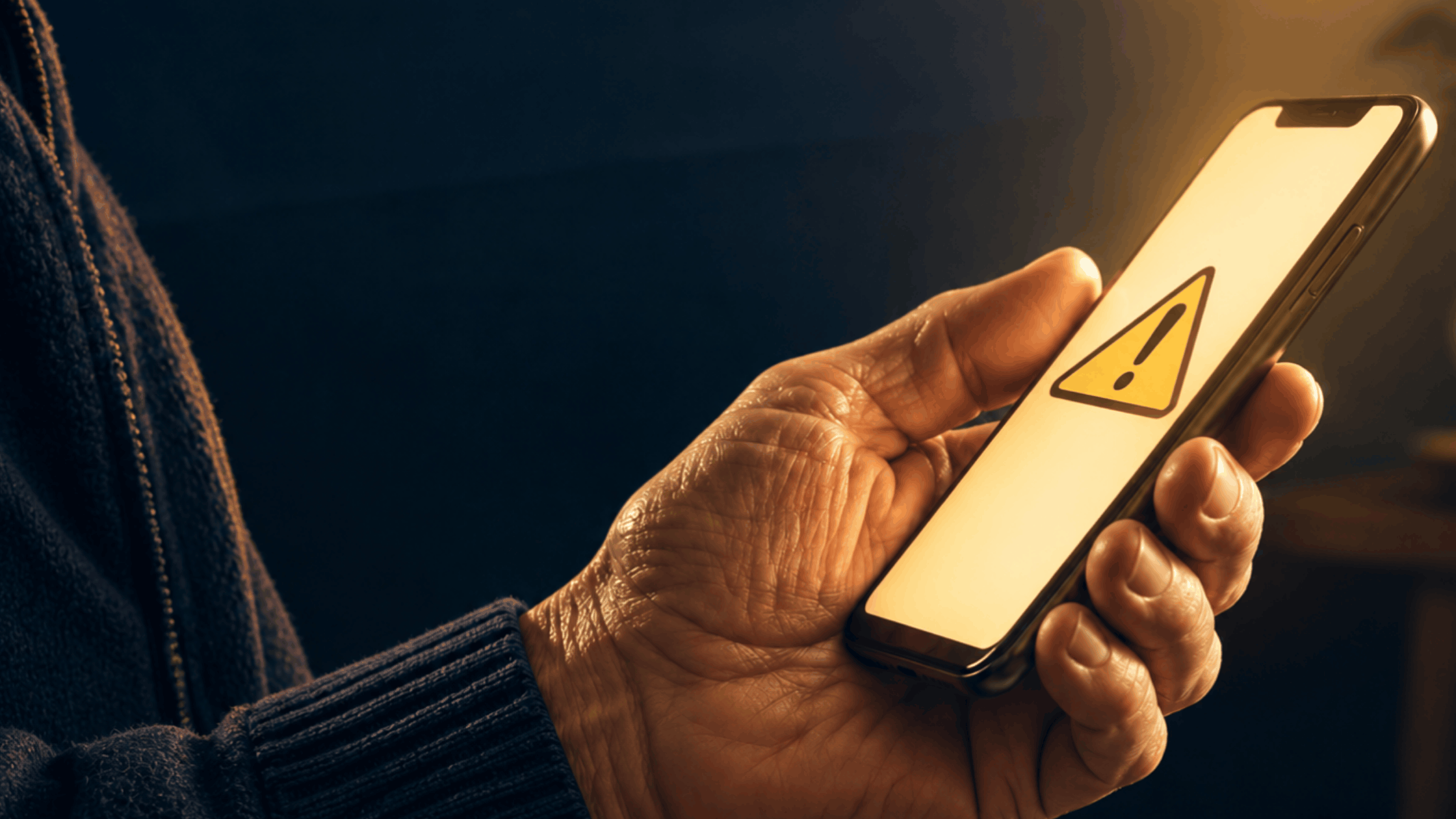
Scams targeting seniors rarely look like scams. They can look like a text from your bank, a call from someone you love, or a warning on your screen.
I’ve spoken with retired nurses, teachers, engineers, and business owners who lost money this way. Smart people. Careful people. People who read the fine print on everything. If that’s you, or someone you love, keep reading. The reason it happens is not what you think.
Why scams targeting seniors get through
Scammers go where the money is. After a lifetime of work, many of us have savings, a paid-off home, and a steady pension or Social Security check. That makes us a target before anyone dials a number.
Then there’s the technology. Most of us learned computers and smartphones as adults. A younger person has spent twenty years learning what a fake pop-up feels like. We haven’t had that practice. A fake warning with a famous logo looks just as real to us as the real thing.
The old warning signs are gone too—bad spelling, strange grammar, a robotic voice. Scammers now use tools that fix all of it. A message can look perfect. A voice can sound exactly like your child.
You were taught to trust people
Think about how we grew up. If a man said he was from the bank, you believed him. If an official asked for information, you gave it. Hanging up on someone felt rude.
Scammers know this. They pretend to be your bank, the government, a grandchild in trouble. Usually, they sound polite and calm. They also hurry you, because a rushed mind doesn’t check.
Some of us live alone, and a friendly voice on the phone feels good. Scammers are patient. Some will call for weeks before they ask for anything.
Shame keeps scams targeting seniors alive
This is what bothers me most. Many people who get scammed tell no one. Not their children, not their friends, not the bank. They feel embarrassed, so they stay quiet.
Silence is what scammers need. When nobody talks, nobody learns, and the same trick works again next week on someone else.
Younger people get scammed too. But we have more to lose, and less time to earn it back. So you have nothing to be ashamed of. You were targeted by people whose full-time job is fooling you.
What you’ll know after the video
In my new video, I cover the five scams I see hit people over 60 most. For each one, I show you how it looks and what to do. Then I give you one habit that stops all of them, no matter what the scammer tries. Watch the video, then use what you learn right away.
You don’t need new gadgets. Forget needing to be good with computers. You don’t need to fear your phone.
By the end, you’ll know when to hang up and exactly what to do next. And you’ll feel what I want every person over 60 to feel when the phone rings or a message arrives: calm, because you know what to do.
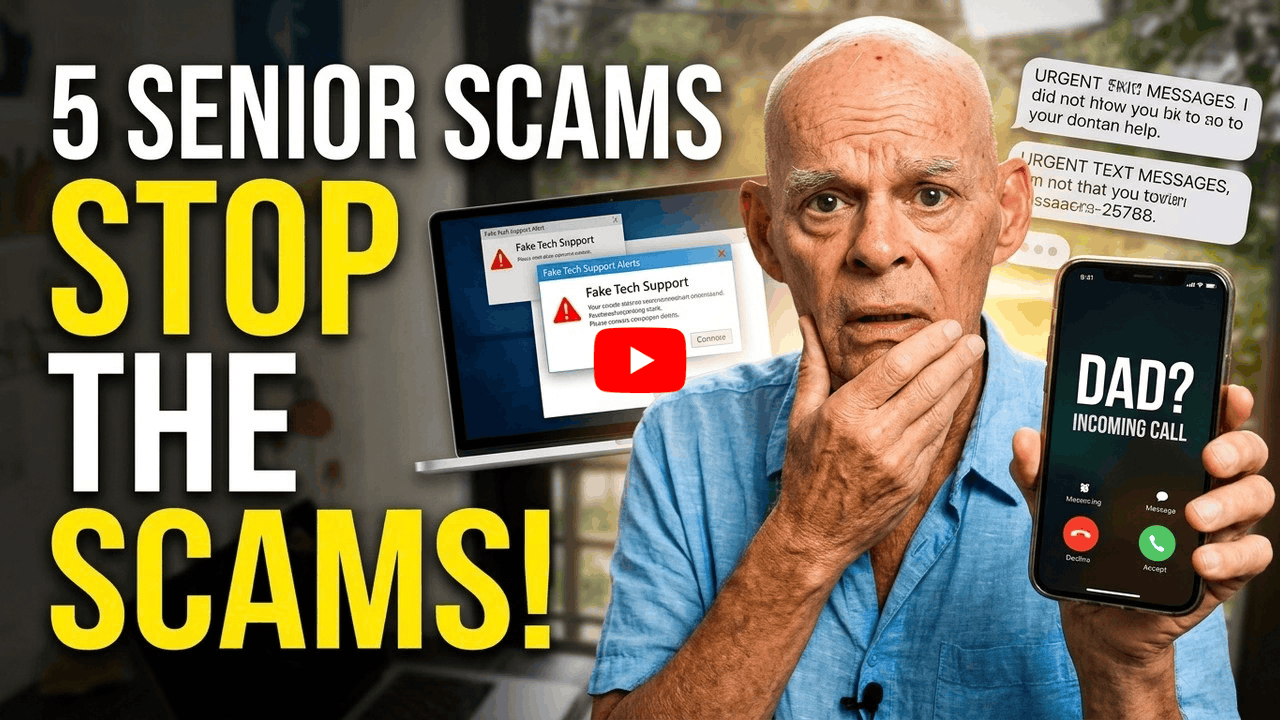
If you want that video, subscribe to my YouTube channel now. I’ve made more than 500 videos for retirees and people over 60, all clear, unhurried, and jargon-free.
The toolkit for your scam battle
Scammers target seniors because they believe they are easy targets. After watching the video, use these six action tips to become harder to scam:
- Hang up and verify
- Watch for pressure
- Protect personal information
- Limit what you share online
- Use technology wisely
- Strengthen your password
Starting today, use these tips right away to make yourself harder to scam than most people.
—
Want to stay up to date on new posts just like this one?
and get the latest posts automatically via email

Jan O. Nilsson –Scams Targeting Seniors: Why They Work, and Why It’s Not Your Fault <== to the top of the page
Follow me: